Site Clearing Checklist: Tree Removal, Vegetation, and What Comes Next
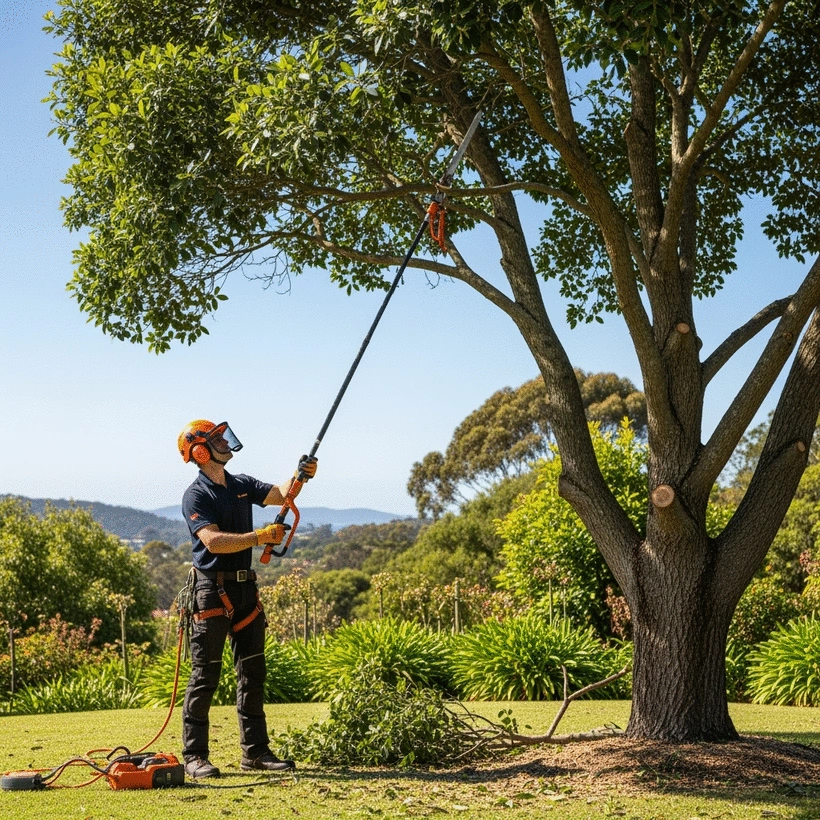
A clean site starts with the living material, not the machinery. Before commercial demolition melbourne begins, owners should identify protected trees, unstable branches, invasive weeds, access points, underground services, and debris routes. That sequence lets arborists, demolition crews, and waste contractors work without damaging soil, neighbouring gardens, fences, or retained vegetation.
Identify What Must Stay Before Removing Anything
Good site clearing starts with retention. Mark trees, hedges, habitat areas, boundary vegetation, and garden features that will stay. Use fencing or high-visibility tape before equipment arrives. Once trunks, roots, and branches are damaged, repair options become limited.
Mornington Peninsula properties often have mixed site conditions. A coastal block may include tea-tree, banksia, sandy soil, wind exposure, and narrow access. A rural property may include shelterbelts, paddock trees, large root zones, and long driveways. A suburban rebuild may have tight fence lines and shared drainage.
The checklist should separate vegetation into three groups: retained, removed, and assessed. The assessed group needs arborist review because the tree may be protected, structurally compromised, close to services, or valuable for shade and erosion control.
Check Permits, Habitat, And Native Vegetation Rules
Tree removal can involve council controls, planning overlays, native vegetation rules, and wildlife considerations. Victoria's native vegetation framework was updated within the last 18 months, and it keeps the focus on avoiding and minimising vegetation loss before offsetting is considered.
For site owners, that means tree removal is not just a physical job. Document the species, trunk size, canopy spread, location, and reason for removal. Photograph trees before work. Keep approval documents with the project file so demolition and building crews understand what has been authorised.
Habitat checks also matter. Hollow-bearing branches, nesting birds, possums, and dense shrubs may require timing controls or specialist advice. A fast chainsaw decision can create delays if protected habitat is disturbed.
Plan Access For Arborists, Trucks, And Demolition Crews
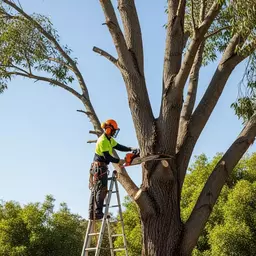
Site clearing often fails when access is treated as an afterthought. Tree crews need space for ropes, elevated work platforms, chippers, loaders, and log trucks. Demolition crews need separate space for bins, small plant, scaffolding, temporary fencing, and service isolation.
Walk the site from the street to the rear boundary. Look for overhead power lines, steep driveways, soft ground, septic systems, retaining walls, gates, garden beds, and low branches. Mark turning circles and load-out zones before workers arrive.
If demolition follows tree removal, the access route should serve both trades. Removing one tree to reach a shed may expose another retained tree's root zone to compaction. Use ground protection mats where heavy traffic crosses sensitive soil.
● Confirm which trees and shrubs are retained, removed, or held for arborist assessment.
● Locate water, gas, power, stormwater, sewer, septic, and irrigation before stump grinding.
● Set aside zones for mulch, logs, green waste, demolition bins, and salvaged material.
● Protect root zones with fencing and keep stockpiles away from retained trunks.
Remove Vegetation In The Right Order
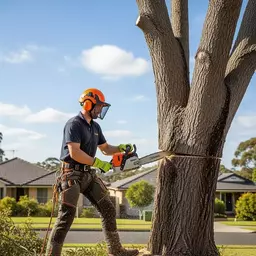
The safest order is usually deadwood, hazardous limbs, small vegetation, larger trees, stumps, and final ground clean-up. That order opens visibility and gives workers better space to manage risk.
Large trees near a building should be planned with demolition timing in mind. Sometimes a structure protects a tree from wind while it is standing. Sometimes removing the structure first gives the arborist more room. The right sequence depends on lean, canopy spread, soil condition, service locations, and machinery access.
Green waste should be separated from demolition debris. Mulch, logs, and stumps are easier to manage when they are not mixed with bricks, nails, metal, plasterboard, or insulation. Clean separation also gives property owners more reuse options.
Prepare The Ground For The Next Trade
After trees and vegetation are removed, the site still needs preparation. Stumps may need grinding below finished surface level. Roots may need careful treatment near retained trees. Soft ground may need stabilisation before machinery moves across it.
The handover should include a simple site note. Record where stumps were ground, where roots remain, where soil was disturbed, where services were found, and where access protection is still required. This helps demolition crews avoid surprises.
A clean handover also protects neighbours. Remove hanging branches, sweep driveways, clear footpaths, and check fences. On small residential and commercial sites, that final tidy-up prevents complaints before demolition work begins.
Control Erosion, Mulch, And Soil Movement
Vegetation removal changes how water moves across a property. Roots no longer hold soil in place, shade disappears, and exposed ground can erode during heavy rain. This is important on sloped Mornington Peninsula blocks and sandy coastal sites.
Keep mulch on site only when it is clean and useful. Spread it away from trunks, drains, and building pads. Do not pile fresh mulch against retained trees because heat, moisture, and pests can damage bark and root collars.
Install simple sediment controls before demolition begins. Gravel entry points, silt barriers, drain protection, and staged stockpiles reduce the chance that soil, mulch, and green waste leave the property during the next trade sequence.
Document The Clearing Work For The Builder
The builder should receive more than a tidy block. They should receive records that explain what was removed, what was protected, where stumps remain, and where soil was disturbed. Photos from the same angles before and after clearing are useful.
Mark retained tree protection zones on a simple sketch. Include notes for low branches, shallow roots, irrigation pipes, and areas where machinery should not travel. These notes help later trades avoid damage that is not obvious from the driveway.
If approvals were required, keep them with the handover pack. A demolition or building crew should not have to guess whether a tree, habitat area, or vegetation boundary was cleared under the right authority.
Questions To Ask The Tree Removal Team
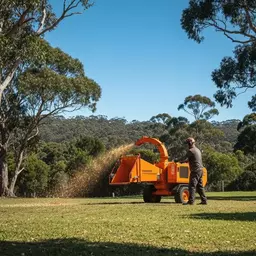
Ask which equipment will enter the property and where it will travel. Chippers, stump grinders, elevated work platforms, loaders, and trucks all affect access, lawn protection, soil compaction, and neighbouring fences.
Ask how the crew will manage logs, mulch, and green waste. Some owners want mulch retained for garden use, while others need everything removed before demolition. That decision should be made before the chipper arrives.
Ask what happens if hidden risks appear. Decay, bees, unstable trunks, buried irrigation, shallow services, or damaged retaining walls can change the work method. A good plan explains who decides the next step.
Ask what the final ground condition will be. Builders need to know whether stumps are ground below level, whether roots remain, and whether the cleared area is ready for bins, scaffolding, excavation, or temporary fencing.
Conclusion
Tree removal and vegetation clearing are the first layer of a controlled site preparation plan. They shape access, safety, erosion control, demolition staging, and the condition of retained landscape assets.
For Pro Tree Removal Mornington Peninsula readers, the best checklist starts with protection, approvals, access, safe removal, and clean handover. That order gives every following trade a clearer, safer site to work on.
Quick Pre-Start Checklist
Before the first contractor arrives, the project owner should turn the article's advice into a short site checklist. The checklist does not need to be complex, but it should name the person responsible for each decision so nothing sits between trades.
Review the checklist during the site induction and again when the work changes stage. Demolition, clearing, machinery movement, waste handling, and pest control all create new risks as conditions change.
Keep one named site contact responsible for updates, because small discoveries can quickly affect access, timing, neighbours, waste handling, equipment choice, and final handover. Record every change before the next crew starts work.
● Confirm the exact work scope, exclusions, and required handover condition.
● Check permits, service isolation, access limits, neighbour impacts, and public protection.
● Mark retained structures, trees, services, drains, fences, and no-go zones before work starts.
● Separate waste streams early and keep disposal, recycling, and treatment records together.
● Photograph key conditions before, during, and after work so decisions are traceable.
Frequently Asked Questions
Should trees be removed before demolition?
Trees should be assessed before demolition, but removal timing depends on access, safety, permits, and retained vegetation. Some trees need to be removed first, while others need protection during demolition.
What should be checked before stump grinding?
Check underground services, irrigation, septic lines, roots from retained trees, nearby fences, and finished ground levels. These checks reduce damage and make the site easier to prepare.
Can green waste be mixed with demolition waste?
Green waste should be kept separate. Clean mulch, logs, and branches are easier to reuse or process when nails, bricks, plasterboard, or insulation do not contaminate them.
Works Cited
Environment Protection Authority Victoria. "Escaped Waste Can Cost Builders." EPA Victoria, 21 Apr. 2026, https://www.epa.vic.gov.au/about-epa/news-media-and-updates/news-and-updates/escaped-waste-can-cost-builders.
WorkSafe Victoria. "Demolition." WorkSafe Victoria, reviewed 2026, https://www.worksafe.vic.gov.au/demolition.
WorkSafe Victoria. "Construction." WorkSafe Victoria, reviewed 28 Sept. 2025, https://www.worksafe.vic.gov.au/construction.
Department of Energy, Environment and Climate Action Victoria. "Guidelines for the Removal, Destruction or Lopping of Native Vegetation." Victorian Government, 2026, https://www.environment.vic.gov.au/native-vegetation.
Sustainability Victoria. "Circular Economy Opportunities for Victoria." Sustainability Victoria, 2025, https://www.sustainability.vic.gov.au/